

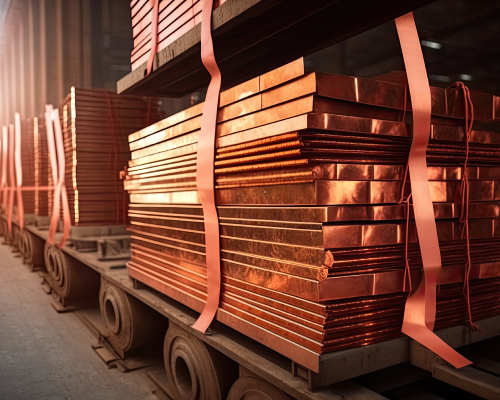
Copper cathodes are a key form of copper that is highly refined and pure, typically with a copper content of 99.99%. They are produced during the final stage of the copper refining process, which involves electrolysis. In this process, impure copper is dissolved into an electrolyte solution, and pure copper is deposited onto stainless steel plates or cathodes as a thin, high-purity layer.
These copper cathodes are then stripped from the plates and typically cut into sheets for easier handling and transportation.
Copper cathodes are a primary raw material used in the manufacturing of copper wire, rods, and various other copper products. They are highly sought after in industries such as electrical, construction, and electronics due to their excellent electrical conductivity and malleability

RBD oils are highly versatile and are commonly used in food manufacturing, frying, and baking due to their stability and neutral taste. They are also used in non-food products like soaps, cosmetics, and biodiesel
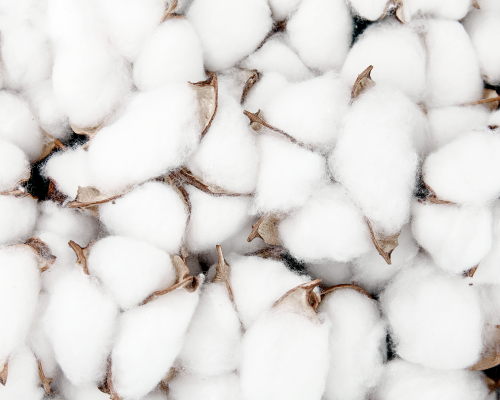
Raw cotton refers to the natural, unprocessed fiber that is harvested from cotton plants. This cotton consists of fluffy, white fibers that surround the seeds of the cotton plant. After harvesting, the cotton is usually separated from the seeds through a process called ginning, but it still contains impurities such as dirt, leaves, and other plant material. Raw cotton is the primary material used in the textile industry to produce cotton yarn, fabric, and other cotton-based products.
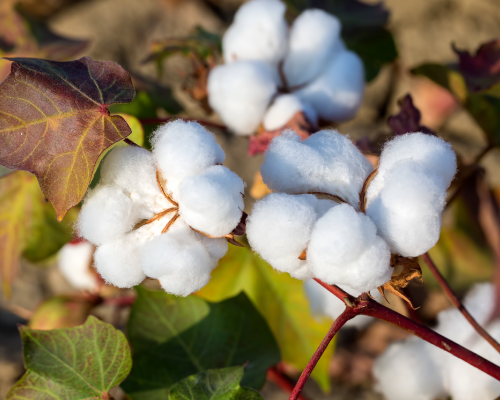
A cotton bale is a large, compressed bundle of raw cotton that has been ginned and prepared for transportation, storage, or further processing. After the raw cotton is harvested and ginned to remove seeds and most impurities, it is compressed into dense, rectangular bales, typically weighing around 480 pounds (217 kilograms) or more. These bales are then wrapped in protective covering to prevent contamination and damage during transit.
Cotton bales are the standard form in which cotton is traded globally. They are then sent to textile mills, where the cotton is further processed into yarn, fabric, or other cotton products. The compression of cotton into bales helps in efficient handling, storage, and transportation of large quantities of cotton.
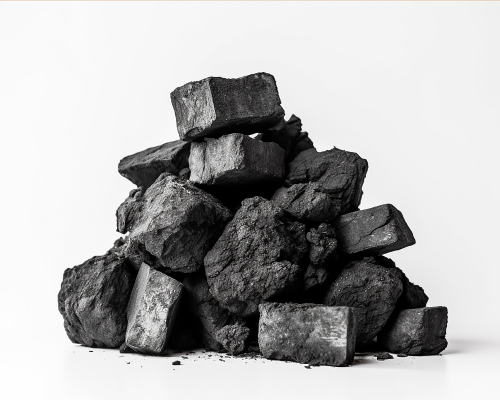
Iron ore fines are small particles of iron ore, typically less than 6.3 millimeters in diameter, that are produced during the mining, crushing, and processing of iron ore. These fines are one of the by-products of the extraction process and are often collected and sold separately from larger pieces of ore, known as "lumps."
Size: The particles are very small, usually less than 6.3 mm.
Composition: They contain a high percentage of iron (Fe), usually ranging from 58% to 65%, depending on the grade and source.
Texture: They have a fine, powdery consistency, which makes them less stable and more susceptible to dusting and moisture absorption.
Sintering: Iron ore fines are commonly used in the sintering process, where they are heated along with other materials to create sinter, a porous mass that is then used as a feedstock in blast furnaces for the production of pig iron.
Pelletizing: Iron ore fines can also be agglomerated into pellets. This involves mixing the fines with binders and then rolling them into small balls (pellets), which are then hardened by heating. These iron ore pellets are used as a raw material in steel production.
Blast Furnace Feedstock: In some cases, fines are directly used in blast furnaces, though this is less common due to the handling difficulties and tendency of fines to block airflow in the furnace.
Iron ore fines are a vital raw material in the steel-making process, and their efficient use is critical for optimizing production and reducing costs in the steel industry.
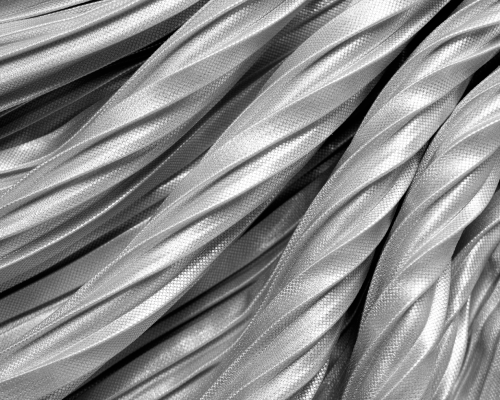
Strength: Steel is known for its high tensile strength, making it ideal for construction and heavy-duty applications.
Ductility: It can be stretched or shaped without breaking, allowing it to be formed into various shapes and sizes.
Malleability: Steel can be hammered or rolled into thin sheets, which is useful for manufacturing processes.
Durability: Steel is highly resistant to wear and tear, making it suitable for long-lasting structures.
Conductivity: While it is a good conductor of heat and electricity, these properties are typically secondary to its mechanical qualities.
1. Carbon Steel: Contains varying amounts of carbon; categorized into low, medium, and high carbon steels.
Low Carbon Steel (Mild Steel): Easy to shape, commonly used in construction and manufacturing.
Medium Carbon Steel: Balances ductility and strength, used in automotive parts, railway tracks, and machinery.
High Carbon Steel: Very strong and hard, used for cutting tools and high-strength wires.
2. Alloy Steel: Steel mixed with other elements like chromium, nickel, or vanadium to improve properties such as corrosion resistance or toughness. Stainless Steel: Contains chromium (at least 10.5%) and is known for its corrosion resistance, making it ideal for kitchenware, medical instruments, and structural applications.
3. Tool Steel: Contains tungsten, molybdenum, and other elements that make it extremely hard and heat-resistant, ideal for cutting and drilling tools.
4. Specialty Steels: Developed for specific applications, such as high-strength low-alloy (HSLA) steel, which is lightweight but strong, used in automotive and aerospace industries.
Construction: Steel is the backbone of modern construction, used in buildings, bridges, and infrastructure due to its strength and durability.
Automotive: Steel is extensively used in car bodies, engines, and other components due to its balance of strength, weight, and cost.
Machinery: Steel’s toughness makes it ideal for machinery parts, tools, and industrial equipment.
Energy: Used in pipelines, drilling rigs, and other equipment in the oil, gas, and renewable energy sectors.
Household Goods: Appliances, cookware, and furniture often use stainless steel for its aesthetic appeal and corrosion resistance.
Steel’s adaptability and combination of properties make it essential in numerous industries, and it remains one of the most important materials in modern engineering and manufacturing.

Unit 10A, 8/F Hunghom Commercial CTR, Tower B No. 37, MA TAU WAI Rd, KL, Hong Kong

